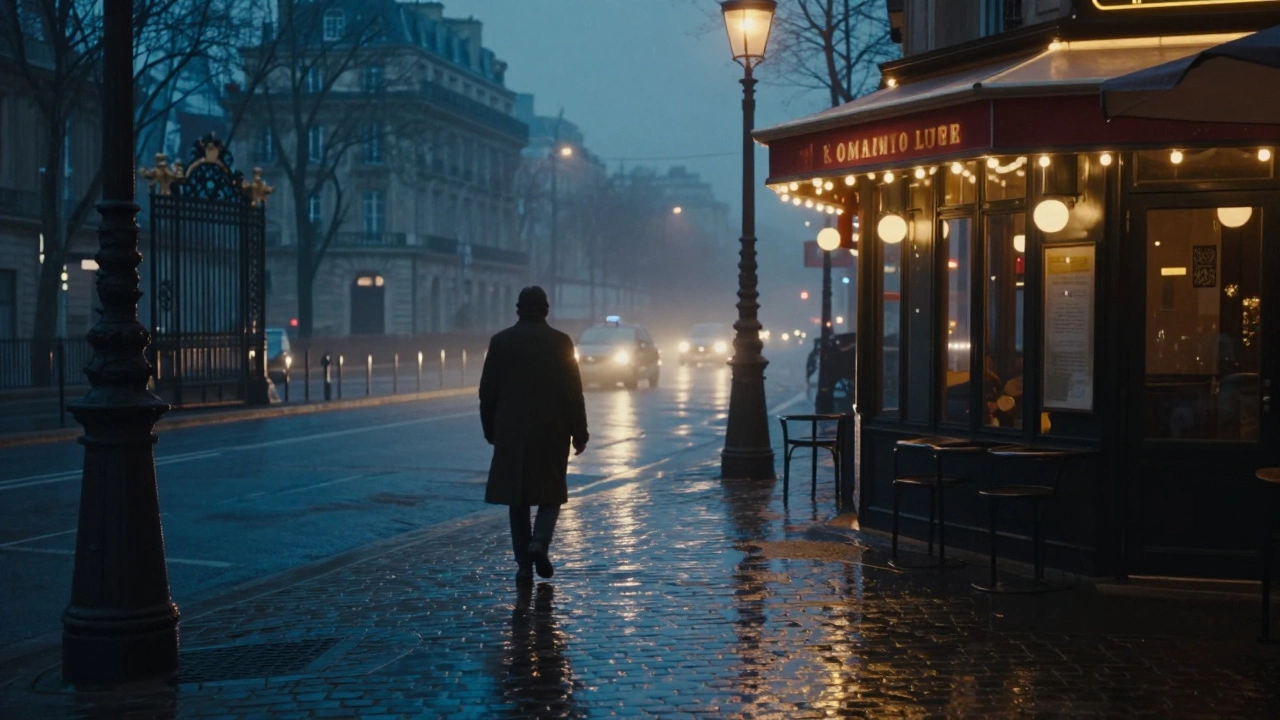

Paris doesn’t sleep. Not really. Even at 3 a.m., when the Seine reflects the last flicker of neon from a closed bistro, there’s movement-quiet, deliberate, alive. It’s in the rustle of a coat collar against a chilly breeze, the click of heels on cobblestone near Place de la Concorde, the low hum of a taxi idling just beyond the shadow of a wrought-iron gate. This city doesn’t announce itself with billboards or slogans. It whispers. And if you listen closely, you’ll hear it calling you to something deeper than sightseeing.
Some come for the art, others for the food. A few, perhaps, are drawn by the allure of an escort girl sur paris-not as a cliché, but as a fleeting connection in a place where loneliness and luxury often walk side by side. But Paris isn’t just about what you pay for. It’s about what you feel when the lights dim and the city lets its guard down.
The Air-Sea Divide: Two Worlds, One City
Paris has always been split between the sky and the river. The air is where the elite once flew-in biplanes during the 1920s, in private jets today. Le Bourget Airport still echoes with the ghosts of Lindbergh and Mermoz. Meanwhile, the Seine carries the weight of centuries: lovers’ locks, floating bookstalls, the slow drift of bateaux-mouches at dusk. These two realms rarely touch-until they do.
There’s a quiet magic in the transition. When the last flight lands at Orly and the driver pulls up to a discreet townhouse in the 16th arrondissement, the air still carries the scent of jet fuel. But inside, it’s lavender and old wood. The city doesn’t care how you arrived. It only cares that you’re here now.
When the City Moves at Its Own Pace
Most tourists chase the Eiffel Tower at sunset. But the real Paris reveals itself in the gaps between the postcards. At 7:15 a.m., the boulangerie on Rue des Martyrs opens. The smell of butter and yeast rolls out like a welcome mat. The woman behind the counter knows your name by the third visit. She doesn’t ask where you’re from. She just hands you the warm croissant and a small cup of espresso, black.
That’s the rhythm. No rush. No pressure. Just presence. This is what makes Paris different from every other city that markets itself as romantic. It doesn’t perform romance. It lives it.
The Quiet Art of Being Seen
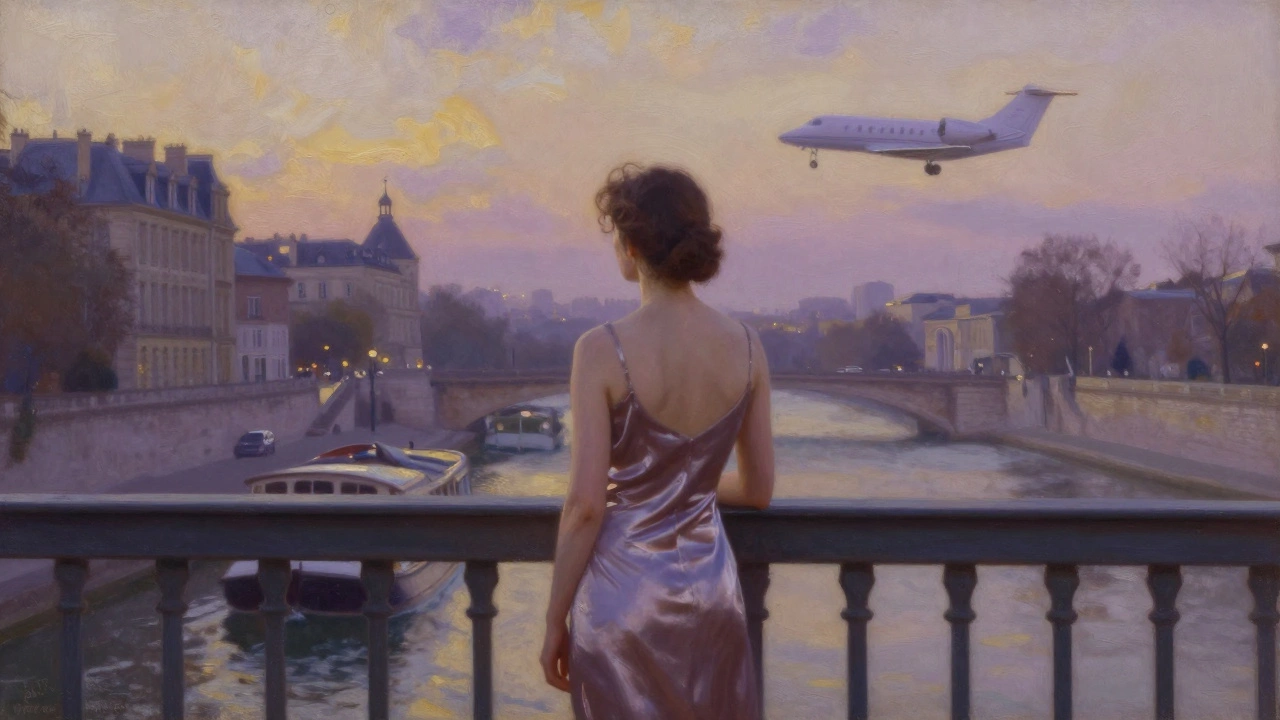
There’s a certain kind of woman who moves through Paris like a brushstroke on canvas. She doesn’t need to be loud. She doesn’t need to be famous. She just needs to be there-confident, calm, unapologetic. You might see her at the Marché des Enfants Rouges, picking out figs. Or leaning against a bridge railing, watching the boats pass. She doesn’t pose for photos. She doesn’t need to.
Some call her an escort gurl paris. Others call her a mystery. The truth? She’s just someone who knows how to exist in this city without needing permission. Paris gives that to few. She took it.
The Hidden Networks of Connection
Paris thrives on invisible threads. A note left in a book at Shakespeare and Company. A shared glance between two strangers on the Métro Line 13. A phone call made at midnight from a payphone near Gare du Nord. These aren’t random. They’re rituals.
There’s a network here-not of clubs or agencies, but of people who understand silence. Who know that the most intimate moments happen when no one’s watching. That’s why the best encounters aren’t booked online. They’re arranged over a glass of wine in a back room of a jazz bar in Montmartre, where the pianist plays Debussy and the door never locks.
The Mistakes Tourists Make
Most visitors think Paris is about checking off landmarks. They queue for the Louvre. They snap selfies at the Arc de Triomphe. They eat at the same three restaurants recommended by every travel blog. But Paris doesn’t reward that kind of effort. It rewards curiosity.
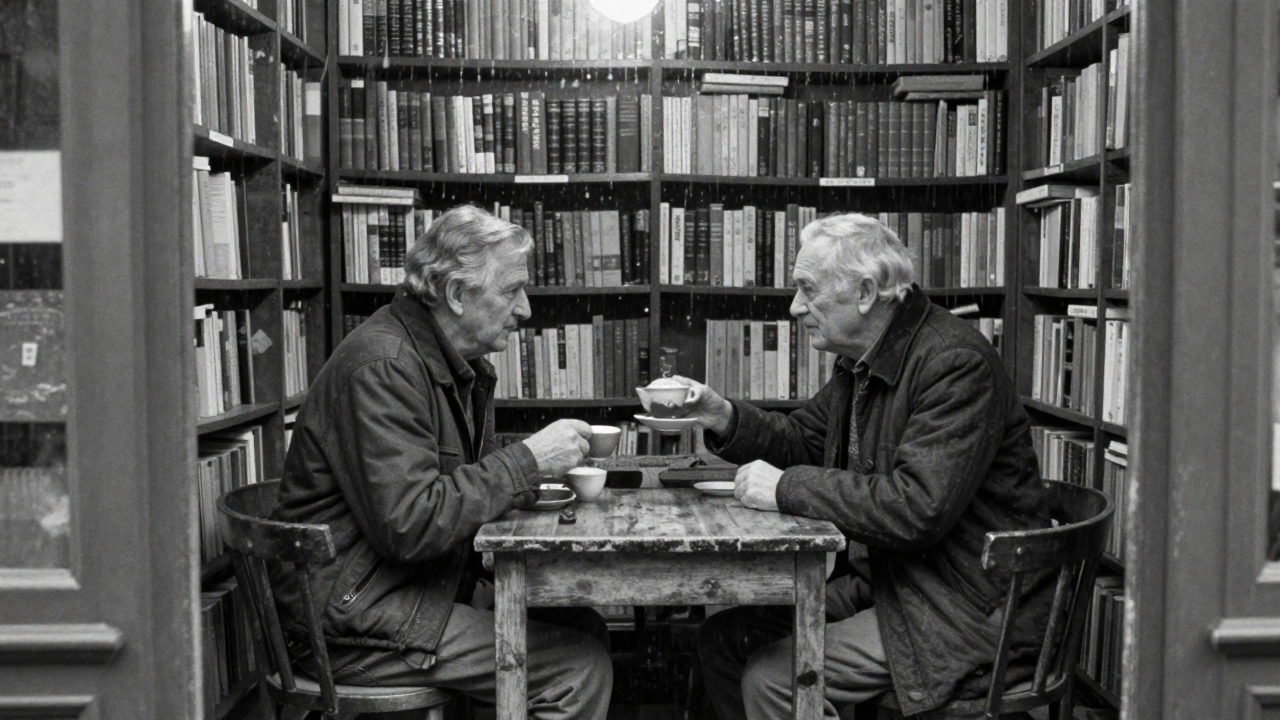
Go to the 20th arrondissement. Walk down Rue des Pyrénées. Find the tiny bookstore with no sign. Talk to the owner. He’ll tell you about the poet who used to sit in the corner and write letters to his dead wife. He’ll offer you tea. He won’t charge you.
That’s the Paris no one sells.
Why the Name ‘Air-Sea Escort’ Matters
The phrase ‘air-sea escort’ sounds like a military term. It’s not. It’s poetic. It’s about movement between worlds. Between sky and water. Between isolation and connection. Between the public and the private.
Paris is the only city where a private jet lands and a river barge glides past the same bridge within minutes. Where a woman in a silk dress walks out of a luxury hotel and into a metro car full of students. Where silence and sound coexist without conflict.
This isn’t about sex. It’s about presence. About being seen-not as a client, not as a tourist, but as a person who chose to be here, in this moment, in this city.
That’s why the term ‘excort girl paris’ lingers in whispers. It’s not a label. It’s a mirror. It reflects what some people fear: that connection in Paris can be real, even if it’s brief. Even if it’s paid for. Even if it’s quiet.
What Stays With You
When you leave Paris, you don’t take home souvenirs. You take home a feeling. The weight of a book you bought from a stranger. The taste of a pastry you didn’t order but were given anyway. The sound of rain on the roof of your hotel room, just after you turned off the light.
And sometimes-you remember a face. A voice. A moment that didn’t fit into any category. Not romantic. Not transactional. Just human.
That’s the charm of air-sea escort Paris unite. It’s not about what you find. It’s about what finds you.
Is Paris safe for solo travelers looking for authentic experiences?
Yes, Paris is generally safe for solo travelers, especially if you stick to well-lit, populated areas and avoid flashing valuables. The 1st, 6th, and 14th arrondissements are particularly friendly for quiet, independent exploration. Most locals are helpful if you ask politely-many speak English, but learning a few phrases in French goes a long way. Just trust your instincts. The city rewards caution, not fear.
What’s the best time of year to experience Paris beyond the tourist spots?
Late September through November offers the clearest balance: fewer crowds, mild weather, and the city settling into its autumn rhythm. Museums are less packed, cafés are cozy, and the light turns golden. Avoid July and August-many Parisians leave, and the city feels hollowed out. Spring is beautiful, but the crowds return. Autumn is when Paris feels most like itself.
Are escort services legal in Paris?
Prostitution itself is not illegal in France, but soliciting in public, operating brothels, and pimping are. This means that while individuals can legally offer companionship services, advertising or organizing them is not permitted. Many services operate discreetly, often through private networks or referrals. It’s a gray area, and the law is enforced unevenly. The city tends to turn a blind eye as long as there’s no public disturbance.
Can you find real connections in Paris without spending money?
Absolutely. Paris is full of people who value conversation over cash. Visit the Jardin du Luxembourg and sit on a bench. Bring a book. Someone will ask what you’re reading. Go to a free jazz night at La Cigale. Talk to the bartender after the set. Attend a free museum night at the Musée d’Orsay on the first Saturday of the month. Real connections happen when you’re not trying to buy them.
How do locals view the idea of paid companionship in Paris?
Most Parisians don’t talk about it openly, but they understand it. The city has a long history of transactional relationships-think of the courtesans of the 18th century or the writers who lived off patrons. Today, it’s less about scandal and more about privacy. Many locals see it as a personal choice, not a moral failing. What they disapprove of is exploitation, not discretion.
Paris doesn’t need you to understand it. It just needs you to show up. And if you do-you might just find that the city was waiting for you all along.